


Quick Answer
TL;DR — How to Describe Sapphire’s Luster
- One-line answer: Sapphire has vitreous (glass-like) luster — bright, clean, and reflective, like polished glass.
- Technical reading: Refractive index 1.762–1.778, Mohs hardness 9, specific gravity 3.98–4.06. All corundum (sapphire + ruby) shares these numbers.
- Where it sits on the luster scale: Below adamantine (diamond, RI 2.42), above waxy (turquoise, RI 1.61). Vitreous is the most common luster across gem minerals — quartz, topaz, emerald, tourmaline, and garnet share it.
- Why it matters: A sapphire’s luster is the first thing a gemologist checks under a 10× loupe. Dull or oily luster means poor polish, surface damage, or heavy inclusions — any of which drops market value 20–40%.
- How to see it at home: Hold the stone 6 inches from a bright light. A well-cut sapphire should flash sharp, mirror-like reflections off every facet with no fogginess.
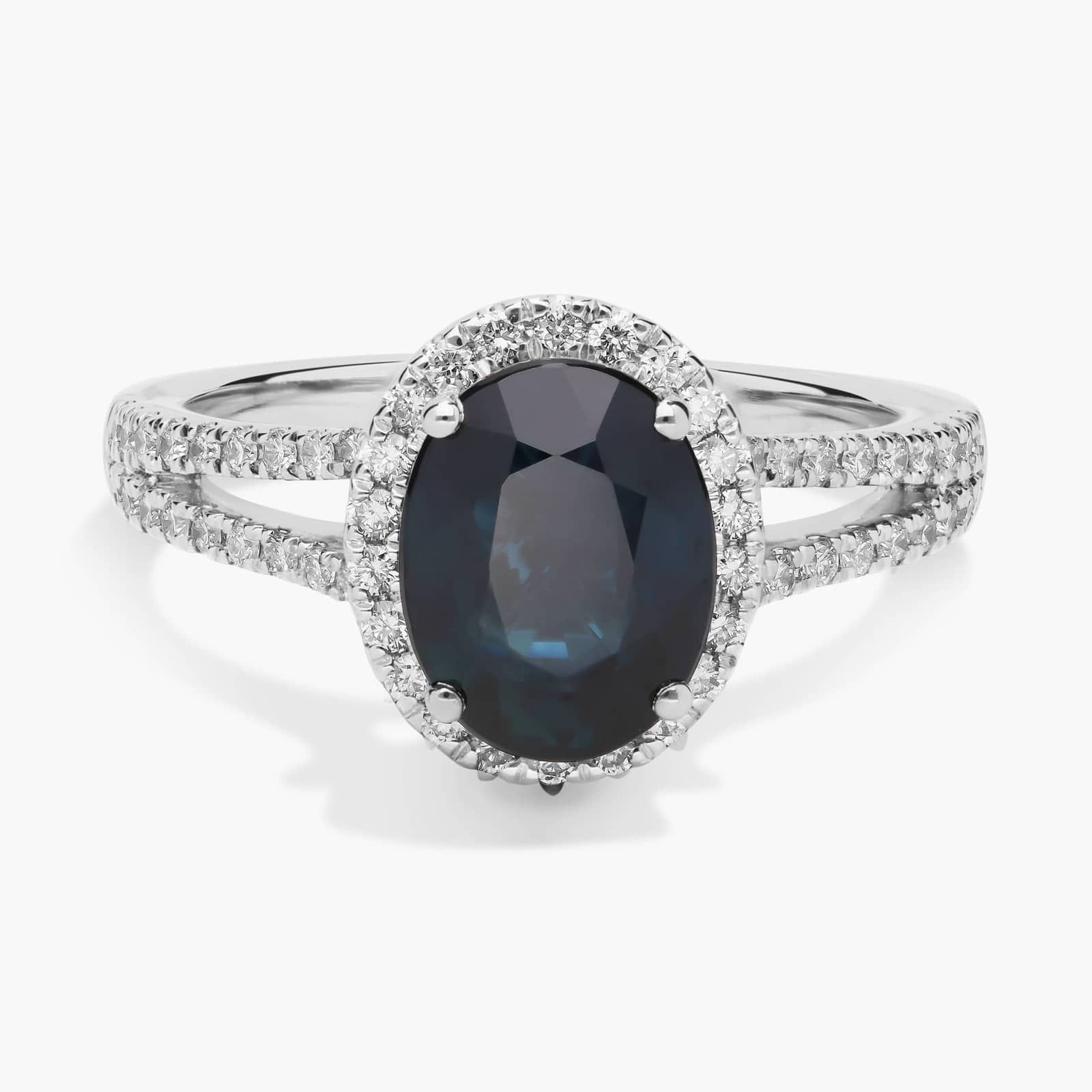
- Shop with confidence: See GIA-certified sapphires on Blue Nile — all come with cut, polish, and symmetry grades printed on the certificate.
Mehedi’s Take: “Vitreous is the shortest way to tell a buyer their sapphire is ‘well-polished glass-like.’ Every grader uses the word. If a jeweler describes a sapphire’s luster as anything other than vitreous, something is wrong with the stone or the grader.” — Mehedi Hasan, Diamond Industry Veteran
Direct Answer: What Is the Luster of Sapphire?
Sapphire’s luster is vitreous. In the GIA gemological reference system, “vitreous” means glass-like — a bright, clear, mirror-smooth reflection off the surface of each facet. This is the same luster category as quartz, topaz, emerald, tourmaline, and garnet.
Vitreous luster comes from sapphire’s refractive index (1.762–1.778) and its Mohs hardness of 9. A hard surface takes a high polish; a high refractive index returns a sharp reflection. Together they produce the characteristic bright, cold flash you see on a Kashmir, Ceylon, or Montana sapphire under good lighting.
Sapphire’s luster is not adamantine — that term is reserved for diamond (RI 2.42) and a handful of other very-high-RI minerals like zircon and sphalerite. And it’s not sub-vitreous (slightly duller, like beryl in some samples) or waxy (soft minerals like turquoise). Pure vitreous. For every sapphire variety, from blue to pink to yellow to padparadscha, the luster category is the same.
What Does Vitreous Luster Mean?
Vitreous luster is the reflective quality of a well-polished piece of glass. The word comes from the Latin vitrum (“glass”). On the GIA gemstone luster scale, vitreous sits in the middle — brighter than resinous or waxy, less brilliant than adamantine (diamond-like) or metallic.
Three things create vitreous luster in a gemstone:
- A high refractive index (typically 1.5–1.8). The light bends enough as it enters the surface to produce a sharp specular reflection.
- A hard, polishable surface (Mohs 7+ gives best results). Softer gems polish poorly and show a duller surface sheen even if the RI is high.
- Dense atomic packing at the surface. Both of these minerals have tightly-bonded crystal lattices (sapphire is Al₂O₃ corundum, quartz is SiO₂).
Gems with vitreous luster: sapphire, ruby, emerald, aquamarine, topaz, tourmaline, garnet, peridot, amethyst, citrine, iolite, spinel, zoisite (tanzanite), kyanite, and glass itself. Gems with sub-vitreous luster (slightly duller): some beryl specimens, apatite, calcite. Gems with adamantine luster (brighter than vitreous): diamond, zircon, demantoid garnet, cerussite, sphalerite.
Gemstone Luster Chart — The Full GIA Scale
Luster is categorized by the physical appearance of the light reflection. From brightest to dullest, these are the seven standard luster categories used in gemology and mineralogy:
| Luster Category | Appearance | Refractive Index | Example Gems |
|---|---|---|---|
| Metallic | Opaque, mirror-like, like polished steel | N/A (opaque) | Pyrite, hematite, galena, native gold |
| Adamantine | Super-bright, high-fire, diamond-like | 1.9–2.6 | Diamond (2.42), zircon (1.98), sphalerite (2.37), cerussite (1.80–2.08), demantoid garnet (1.88) |
| Sub-adamantine | Between adamantine and vitreous | 1.78–1.9 | Zoisite (tanzanite), spessartine garnet, scheelite |
| Vitreous (glass-like) | Bright, clean, mirror reflection — like glass | 1.5–1.78 | Sapphire (1.76–1.78), ruby (1.76–1.78), emerald (1.57–1.59), quartz (1.54–1.55), topaz (1.61–1.64), tourmaline, garnet, peridot, spinel |
| Resinous | Soft, warm, like amber or hardened resin | 1.5–1.7 | Amber (1.54), copal, sphalerite in some cuts |
| Pearly | Iridescent soft shimmer, like pearl surfaces | varies | Pearl, moonstone, selenite, labradorite |
| Silky | Fine parallel inclusions produce a satin sheen | varies | Cat’s-eye chrysoberyl, star sapphire, tiger’s eye, satin spar gypsum |
| Greasy / Oily | Soft, slightly diffused reflection, like oil on water | 1.5–1.6 | Jadeite, nephrite, serpentine, opal (some) |
| Waxy | Dull, like a candle surface | 1.5–1.7 | Turquoise, chalcedony, some varieties of agate |
| Dull / Earthy | No reflection, powder-like | varies | Kaolinite, bauxite, raw unpolished rough |
Verdict: Sapphire sits in the vitreous row with quartz, emerald, and topaz. Only diamond, zircon, and demantoid garnet outsparkle it. Everything below vitreous is a budget material.
One of the most common questions we get from readers is: “How can you describe sapphires luster?”
Sapphires have captivated jewelry lovers for centuries, but their unique luster is often misunderstood. Recently, one of our readers sent in a great question about this:
Here’s the email:
Hi Mehedi,
I’ve been following Aurelia, and I’ve learned so much from your gemstone guides. I have a quick question about sapphires. I keep hearing people mention the term “luster,” but I’m not quite sure what it means for sapphires. How can you describe sapphires luster in a way that makes sense to a beginner like me?
Thanks for your help!
Emily
Great question, Emily!
Luster is one of the most important factors that contribute to a gemstone’s beauty, and sapphires are no exception. Let’s break down how you can describe sapphires luster in a way that’s simple, engaging, and easy to remember.
What Does Luster Mean in Gemstones?
Before we dive into sapphires specifically, let’s quickly cover what luster actually means — and why it’s such an important factor in evaluating gemstones.
In gemology, luster refers to the way light interacts with the surface of a gemstone. It’s not just about how shiny a gem looks; it’s about how light reflects, absorbs, or scatters when it hits the stone. The type of luster a gemstone exhibits depends on its chemical composition and surface texture, which directly impacts its beauty and brilliance.
For example:
- Diamonds have an adamantine luster, giving them that signature, high-gloss brilliance.
- Pearls have a silky luster, creating a soft, inner glow.
- Sapphires, however, showcase a vitreous luster, which is best described as a polished, glass-like shine.
That glassy sheen you see on sapphires is one of the reasons they’re so beloved. But it’s not just the luster that makes a sapphire stunning — factors like cut, clarity, and carat size also play a huge role. In fact, knowing what determines a sapphire’s carat weight can help you better understand how light reflects off the gem’s surface and affects its overall appearance. You can read more about that in our guide on what determines a sapphire’s carat.
As a gemologist, I always remind my clients:
“Luster is the first thing your eyes notice, but the last thing most people ask about. Don’t underestimate the role it plays in making a gemstone truly stand out.”
Understanding luster gives you a better appreciation for the radiance that gemstones — especially sapphires — can bring into your life.
Diamond IQ Test: Natural or Lab-Grown?
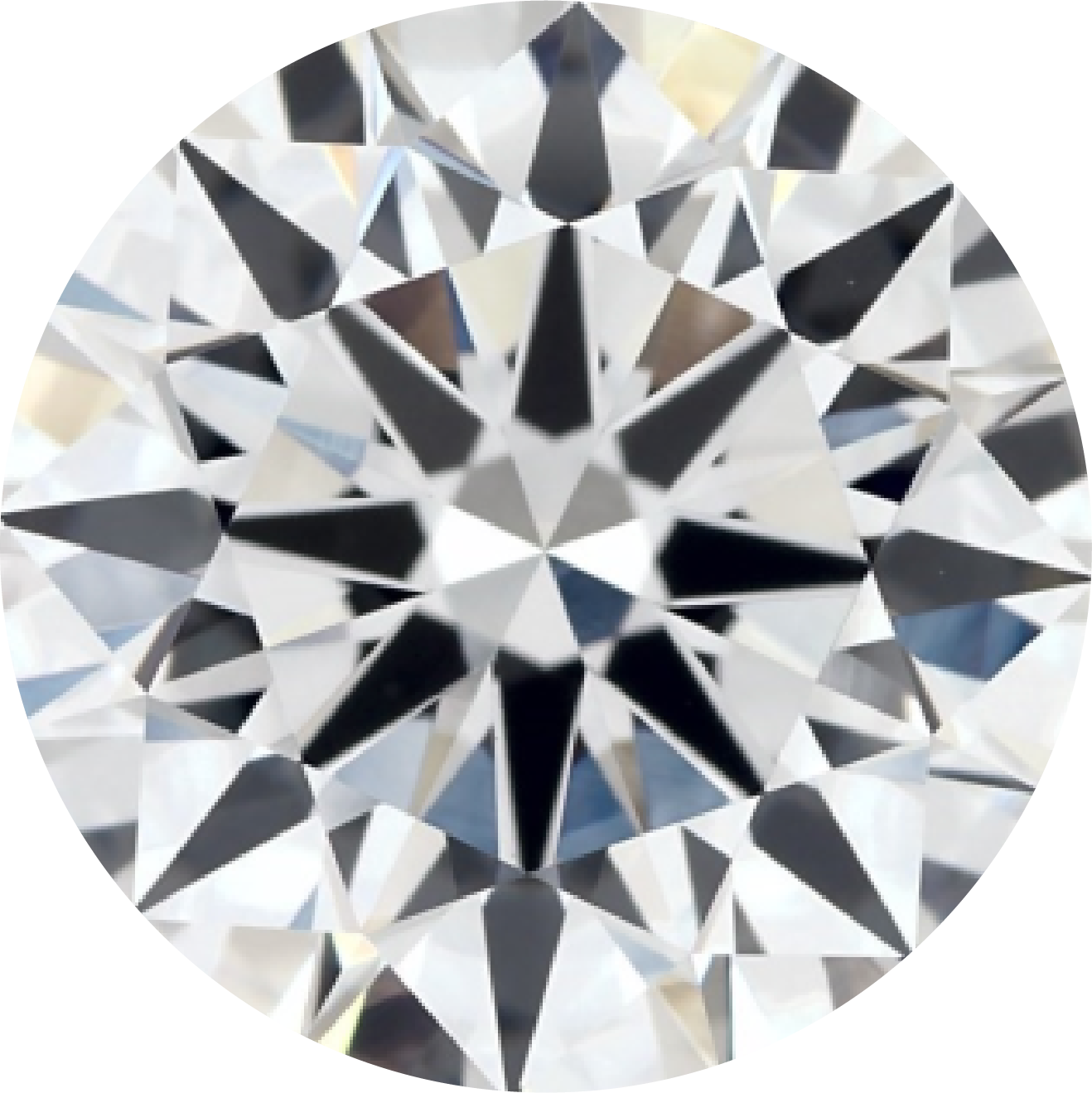
Two identical diamonds: GIA Certified, 1.51ct, D Color, VVS1, Ideal Cut. One is natural ($16,240), the other is lab-grown ($1,970). Choose the diamond you like better and see if you can match it to its origin.
How Can You Describe Sapphires Luster?
The best way to describe sapphires’ luster is to think of polished glass with a vibrant, colorful twist.
A sapphire’s vitreous (or glassy) luster gives it a dazzling shine when light hits its surface, enhancing the richness of its color. Whether it’s a deep royal blue, a soft pink, or a sunny yellow, the luster brings out the stone’s brilliance and makes the color pop beautifully.
Here’s how you can think of it:
- Imagine holding a perfectly polished piece of glass.
- Now, picture that glass infused with the deep blue of a tropical ocean or the pink hues of a sunset.
- That’s the kind of luster you see in a well-cut sapphire!
According to the Gemological Institute of America (GIA), luster is a key factor in determining a gemstone’s visual appeal and is essential when evaluating its quality and brilliance. For more on how luster and other factors affect a sapphire’s overall value, you can explore the GIA’s gem guide here.
Beyond luster, other factors like carat weight and rarity also play a role in determining sapphire prices. In some cases, sapphires can even be worth more than gold depending on their size, color, and origin. You can learn more about that in our detailed guide on Are Sapphires Worth More Than Gold?.
And if you’re curious about the math behind sapphire pricing, check out our guide on Sapphire Value Per Carat Calculation to see how jewelers determine their true worth.
💍 Limited Time: Forge your perfect ring! Get up to 20% OFF engagement ring settings at James Allen!
✨ Conscious Value: Save on brilliance! Lab-Grown Diamonds are now up to 10% OFF at James Allen.
🔥 Flash Sale:
Huge inventory blowout! Save
Why Is Luster Important When Evaluating Sapphires?
Luster plays a key role in a sapphire’s overall beauty and value. Here’s why it matters:
1. Enhances Color Brilliance
A sapphire’s luster significantly boosts its color brilliance by reflecting light off the surface. The better the polish and quality of the sapphire, the more luminous and vivid the color appears.
This effect allows the gemstone to display its true, radiant color in a variety of lighting conditions, making it even more captivating.
2. Indicates Quality of Cut and Polish
The strength of a sapphire’s luster is a direct reflection of how well it has been cut and polished. High-quality sapphires will have a clean, glass-like surface that maximizes their brilliance.
The more expertly a sapphire is cut, the better its luster will be, indicating superior craftsmanship and overall quality.
3. Sets Sapphires Apart from Other Gems
While many gemstones have a vitreous luster, the intensity of a sapphire’s luster combined with its rich color makes it uniquely mesmerizing. This combination ensures that sapphires stand out from other gems like emeralds or rubies, adding to their allure and appeal.
To better illustrate the impact of luster on the value and appeal of sapphires, here’s an in-depth comparison of different factors that contribute to sapphire quality:
| Factor | Impact on Sapphire’s Luster | Importance |
|---|---|---|
| Cut | A well-cut sapphire reflects more light, enhancing its luster. | Determines how brilliant and reflective the sapphire appears. |
| Polish | The smoother the polish, the more intense the luster. | Affects the clarity and surface brilliance of the stone. |
| Color | A deeper, more vibrant color enhances the sapphire’s shine. | Luster works in harmony with color to create a captivating gemstone. |
| Size and Shape | Larger stones can showcase their luster more effectively. | Larger sapphires allow for a more pronounced effect of luster. |
For more information on factors affecting sapphire pricing, including how much a green sapphire costs, you can refer to our detailed guide on How Much Does a Green Sapphire Cost?.
By focusing on these aspects, you can better understand the key role of luster when evaluating sapphires.
ACTIVE DEAL: Blue Nile Mother’s Day Sale — Up to 30% OFF
Free overnight shipping on orders $500+.
Free 30-day returns. Lifetime warranty.
Also: New email subscribers get $50 off their first order of $500+.
Looking for more? Check out the Clear The Vault event.
*Exclusions may apply. See Blue Nile for complete details.
How to Appreciate Sapphires’ Luster at Home
If you have a sapphire, here’s a simple way to appreciate its luster:
- Find a Bright Light Source – Natural sunlight is ideal, but a bright lamp will work too. The goal is to provide enough light for the sapphire to showcase its shine.
- Hold the Sapphire at Different Angles – Gently rotate the stone to see how the light reflects off its surface. You’ll notice how the sapphire’s vitreous luster enhances its color, creating a vibrant glow.
- Compare with Other Gems – Hold the sapphire next to other gemstones like a diamond or a pearl. This allows you to observe how different stones interact with light, highlighting the unique brilliance of your sapphire.
For those thinking about a replacement sapphire ring, check out our guide on Sapphire Stone Ring Replacement for more information!
Does Luster Vary Across Different Types of Sapphires?
Yes, luster can vary slightly across different types of sapphires, even though all sapphires share a vitreous (glass-like) luster. Let’s explore the variations:
- Star Sapphires: These stones display an optical phenomenon known as asterism, which creates a star-like pattern on the surface of the gemstone. While they still possess a vitreous luster, it is softer and more subtle compared to a faceted sapphire. The unique star effect is often enhanced by the way light interacts with the surface, giving the sapphire a mystical glow.
- Cabochon-Cut Sapphires: Unlike faceted sapphires, cabochon-cut sapphires have a smooth, domed surface that doesn’t reflect light in the same way. The luster is still vitreous but tends to be less intense, offering a more subdued and elegant shine.
As noted by the Gemological Institute of America (GIA), “Each sapphire’s appearance is shaped by its cut, treatment, and the way it interacts with light.”
Read Our 5-Star Blue Nile Review
Check our comprehensive Blue Nile review to learn why we rated Blue Nile 5 stars for their exceptional quality and value.
Gemologist Tip: How to Maintain a Sapphire’s Luster
Maintaining your sapphire’s beautiful luster is essential to keep it looking its best. Here’s how you can preserve its shine:
- Clean Regularly – Use a solution of warm water and mild soap to gently clean your sapphire. A soft brush can help remove dirt and oils that accumulate on the surface without scratching the gem.
- Avoid Harsh Chemicals – Chemicals like bleach or ammonia can dull the surface of sapphires over time, affecting their shine. Always remove your sapphire jewelry before using harsh cleaning products.
- Store Safely – Store your sapphire in a soft pouch or separate compartment to prevent it from being scratched by other gemstones or metals. Proper storage keeps your sapphire’s surface smooth, ensuring it continues to sparkle with a vibrant luster.
According to National Jeweler,
“Proper care of sapphires ensures they retain their beauty for years to come, making them a timeless investment.”
A Quick Comparison of Sapphires Luster vs. Other Gems
When comparing sapphires to other gemstones, their luster plays a key role in their visual appeal. Here’s an in-depth table that illustrates how the luster of sapphires compares to other popular gems:
| Gemstone | Luster Type | Description |
|---|---|---|
| Diamond | Adamantine | The highest luster type, producing a brilliant, mirror-like shine with exceptional sparkle. |
| Sapphire | Vitreous | Glass-like luster with a radiant, colorful glow that enhances the richness of its color. |
| Pearl | Nacreous/Silky | A soft, smooth luster that reflects light in a unique, gentle, inner glow. |
| Moonstone | Silky | Exhibits a soft, ethereal glow with a subtle sheen that appears to shift depending on the angle. |
| Ruby | Vitreous | Similar to sapphire, rubies display a glass-like shine but with a rich red hue that’s captivating. |
This table highlights the key differences in luster between sapphires and other well-known gemstones. As you can see, sapphires stand out with their vitreous luster, which gives them a glass-like shine that’s both vibrant and dynamic.
While diamonds feature the brightest and most intense adamantine luster, sapphires still manage to capture the eye with their colorful depth. Each gemstone’s unique luster helps set it apart, contributing to its overall beauty and charm.
James Allen: Our 5-Star Choice for Price and Selection
Check our comprehensive James Allen Review to learn more about their pricing and commitment.
Diamond Luster vs Sapphire Luster — Side by Side
Diamond has adamantine luster; sapphire has vitreous luster. Both are “bright” lusters by any practical standard, but they produce visibly different reflections.
| Property | Diamond | Sapphire |
|---|---|---|
| Luster category | Adamantine | Vitreous |
| Refractive index | 2.418 | 1.762–1.778 |
| Dispersion (fire) | 0.044 | 0.018 |
| Mohs hardness | 10 | 9 |
| Surface reflection | Super-bright, slightly oily depth | Bright, clean, glass-like |
| Light return | Multi-colored fire + brilliant white flashes | Mostly bright white flashes, modest fire |
| Appearance in low light | Still bright thanks to high RI | Darker, needs more lighting to show luster |
Verdict: Diamond out-sparkles sapphire by raw refractive index. But color-saturated sapphire outshines diamond on blue, pink, and padparadscha character. Buy the stone whose character fits the ring you want.
lash. For an engagement ring you’ll wear both day and night, that’s a real-world consideration worth knowing. See the full sapphire gemstone guide.If you want sapphire’s color with diamond’s luster, pair a sapphire center stone with diamond accent stones — the diamonds flash fire while the sapphire anchors the color. See pairing diamonds and sapphires in a ring. For loose sapphires with full GIA grading reports, browse Blue Nile’s sapphire selection.
Mehedi’s Take: “Luster is what a buyer feels before they can name what they’re seeing. Pick up a dull sapphire and a bright one — your eye knows which is which in half a second. That half-second is why cut-and-polish matters as much as color grade.” — Mehedi Hasan, Diamond Industry Veteran
How Luster Is Measured — Refractometer, Polish Grade, and Visual Check
Three measurements determine the final luster you see on a cut sapphire:
1. Refractive Index (RI)
Measured on a refractometer, a $200–$800 lab instrument. Sapphire reads 1.762–1.778 — the lower reading is the ordinary ray, the higher is the extraordinary ray (sapphire is doubly refractive, which is why under 10× magnification you can see faceted edges doubled through the crown). This range is diagnostic — if a stone sold as sapphire reads outside 1.76–1.78, it’s not sapphire.
2. Polish Grade
GIA grades polish on a four-tier scale: Excellent, Very Good, Good, Fair. On corundum, the surface polish shows up as mirror-smooth facets with no visible scratches, pits, or burn marks at 10× magnification. Poor polish drops luster even on a stone with perfect RI. Insist on Very Good polish or better for any sapphire over 1 carat.
3. Symmetry Grade
Also four-tier (Excellent / Very Good / Good / Fair). Measures how precisely the facets align. Poor symmetry produces mismatched reflections that read as “dull” even if polish and RI are perfect.
At home, without lab tools, you can approximate the measurement by holding the sapphire 6 inches from a focused LED and rotating it slowly. A well-polished sapphire with excellent symmetry flashes a sharp white mirror reflection off every facet, cleanly, with no haze. A dull or damaged sapphire shows soft, foggy returns.
Does Luster Change by Sapphire Variety? Color-by-Color Reference
All corundum shares the same luster category (vitreous) and the same refractive index range (1.76–1.78), regardless of color. But the perceived brightness of the luster varies with color saturation, inclusion density, and treatment.
| Variety | Luster Appearance | Typical RI | Factors Affecting Luster |
|---|---|---|---|
| Blue sapphire (Kashmir, Ceylon, Burma) | Highest apparent luster — “velvety blue” fire | 1.762–1.770 | Fine rutile silk gives Kashmir its iconic sleepy luster |
| Padparadscha sapphire | Bright pink-orange fire, very clean | 1.762–1.770 | Light pastel color lets more light return |
| Pink sapphire | Clean vitreous flash, slightly less fire than blue | 1.762–1.770 | Natural clarity is usually high |
| Yellow sapphire | Clear, bright vitreous | 1.762–1.770 | Low iron content keeps the gem clean |
| Ruby (red corundum) | Bright red “glow” — vitreous with slight sub-adamantine edge | 1.762–1.770 | Iron absorbs some light, slight reduction |
| Montana sapphire | Clean vitreous, often less saturated color | 1.762–1.770 | Mostly fancy colors; cut quality is the big variable |
| Green sapphire | Clean vitreous, often slightly darker | 1.762–1.770 | Iron coloration can slightly reduce light return |
| Star sapphire | Silky luster (parallel rutile needles cause asterism) | 1.762–1.770 | By definition, star sapphires show silky luster rather than pure vitreous |
| Color-c Verdict: All sapphire varieties share vitreous luster — the color changes but the surface reflection stays the same. Only star sapphire shows silky luster instead. hange sapphire | Clean vitreous, variable fire by light source | 1.762–1.770 | Color shifts between daylight and incandescent light |
For deep dives on specific varieties, see blue sapphire, padparadscha sapphire, pink sapphires, yellow sapphire, green sapphire, white sapphire, and Montana sapphires.
What Makes a Sapphire Lose Its Luster?
Even though sapphire is Mohs 9 — second only to diamond among common gems — its luster can degrade over years of wear. Four causes to watch for:
- Oil and skin residue: A thin oily film on the surface drops reflectivity. Soap, lotion, and natural skin oils accumulate on facets. Fixed with a 10-minute soak in warm water and dish soap, scrub gently with a soft toothbrush. Returns the stone to near-new luster in minutes.
- Microscratches on the pavilion: Sapphire is harder than almost every common material, but it does scratch against other sapphires, rubies, diamonds, and moissanite (Mohs 9.25). If you store multiple hard gems loose in the same pouch, they’ll abrade each other. Fix: separate storage.
- Chipped facet edges: Sharp corners (on fancy cuts) can chip against hard surfaces. The chip looks like a tiny white dot on the stone and visibly reduces local luster. Fix: a jeweler can re-polish the chipped edge.
- Fracture-filling degradation: If a sapphire has been fracture-filled with glass (common on commercial-grade stones), the filling can etch or discolor over time, dulling internal luster. Fix: have the stone re-filled by a specialist, or buy an unfilled stone.
For a full maintenance guide, see how to clean your engagement ring at home.
Mehedi’s Take: “A $5 soak in warm dish soap restores more luster than any $500 polish job can create on a damaged stone. Clean the gem before you blame the cut.” — Mehedi Hasan, Diamond Industry Veteran
FAQs — Sapphire Luster
What is the luster of sapphire?
Sapphire has vitreous (glass-like) luster. Its refractive index is 1.762–1.778, Mohs hardness is 9, and specific gravity is 3.98–4.06.
What is sapphire’s luster called?
It is called vitreous luster. The term comes from the Latin “vitrum” meaning glass. Vitreous luster describes a bright, clean, mirror-smooth reflection off the gem surface.
What does vitreous luster mean?
Vitreous means glass-like. A gem with vitreous luster reflects light the way a polished piece of window glass does — bright, clear, and sharp. The GIA uses vitreous as a formal luster category covering most transparent crystalline gems.
Is sapphire luster vitreous or adamantine?
Vitreous. Adamantine luster is reserved for diamond and a handful of other very-high-refractive-index minerals like zircon and sphalerite. Sapphire is one tier below adamantine on the luster scale.
What is diamond’s luster vs sapphire’s luster?
Diamond has adamantine luster from its refractive index of 2.42. Sapphire has vitreous luster from its RI of 1.76–1.78. Both are bright by any practical standard, but diamond’s higher RI produces more fire and surface flash.
How can you describe a sapphire’s luster?
Describe it as vitreous, glass-like, bright, mirror-smooth, and reflective. On a GIA grading report, a sapphire’s cut, polish, and symmetry grades all contribute to the final luster you see.
What is the Mohs hardness and refractive index of sapphire?
Mohs hardness is 9. Refractive index is 1.762–1.778. Specific gravity is 3.98–4.06. These are the diagnostic physical properties of all corundum (sapphire and ruby).
What other gems have vitreous luster besides sapphire?
Quartz, topaz, emerald, aquamarine, tourmaline, garnet, peridot, spinel, iolite, amethyst, citrine, kyanite, and ruby all share vitreous luster. Together they cover most transparent crystalline gems.
Does luster vary by sapphire color?
No — all corundum has the same vitreous luster category regardless of color. The perceived brightness may vary with saturation (darker stones return less visible light), inclusion density, and cut quality, but the luster category stays the same.
Why is sapphire’s luster important?
Luster is the first thing a gemologist checks. Dull or oily luster signals poor polish, surface damage, heavy inclusions, or incorrect ID — any of which can drop the stone’s market value by 20–40%.
Is star sapphire’s luster vitreous?
Star sapphire shows silky luster rather than pure vitreous. The fine parallel rutile needles that create the asterism (the six-rayed star) also diffuse the surface reflection into a satin sheen.
What causes vitreous luster in a gem?
Three things: a refractive index between about 1.5 and 1.8, a hard surface that takes a mirror polish (Mohs 7 or higher), and dense atomic packing at the surface. Sapphire has all three.
Can a sapphire lose its luster over time?
Yes. Oil and skin residue, microscratches from contact with other hard gems, chipped facet edges, and fracture-filling degradation can all dull luster. Most of these can be reversed with cleaning or professional re-polishing.
How do I clean a sapphire to restore its luster?
Soak the stone in warm water with a drop of dish soap for 10 minutes, then scrub gently with a soft toothbrush. Rinse under warm water. For heavier oil buildup, a jeweler’s ultrasonic cleaner removes it in minutes.
How can you see a sapphire’s luster at home?
Hold the stone 6 inches from a bright LED or window. Rotate slowly. A well-cut sapphire with good polish flashes sharp mirror reflections off every facet with no haze or fogginess.
What is a sub-vitreous luster?
Sub-vitreous means slightly duller than vitreous — a soft or diffused glass-like reflection. Some beryl varieties, apatite, and calcite show sub-vitreous luster. Sapphire is pure vitreous, never sub-vitreous.
Does polish affect sapphire luster?
Yes. GIA grades polish on an Excellent / Very Good / Good / Fair scale. Poor polish produces visible scratches at 10× magnification that reduce luster even if the stone has perfect refractive index.
Is luster the same as brilliance in sapphire?
No. Luster describes the surface reflection — the way light bounces off the facets. Brilliance describes the internal light return — how much light enters the stone and comes back through the crown. Both depend on cut quality and polish, but they are separate measurements.
What is the luster of a sapphire gemstone used for an engagement ring?
Still vitreous — the luster category does not change based on how the gem is used. A well-cut engagement-ring-grade sapphire with Very Good polish or better delivers bright glass-like reflections equal to any sapphire of the same quality.
Can you compare sapphire luster to glass directly?
Yes — that is the literal meaning of “vitreous”. A sapphire’s surface reflects light the way polished glass does. The difference is that sapphire’s higher RI (1.76 vs ~1.50 for glass) produces a slightly sharper, brighter reflection, and its Mohs 9 hardness prevents the surface scratching that dulls glass over time.
What luster does ruby have?
Vitreous — same as sapphire. Ruby is red corundum, chemically identical to sapphire (both are Al₂O₃), so it shares the same refractive index, hardness, and luster category.
Final Verdict — Decision Matrix for Judging Sapphire Luster
| Your Goal | What to Check | Standard | What This Means |
|---|---|---|---|
| Buy a new sapphire | Polish grade on certificate | Very Good minimum | Poor polish destroys vitreous luster even on a perfect-RI stone |
| Evaluate at home | Hold 6 inches from bright light, rotate | Sharp mirror flash per facet | Fogginess or haze = dirty, damaged, or poorly cut |
| Restore luster on an old ring | Warm water + dish soap soak | 10 minutes + soft toothbrush | 95% of lost luster is oil residue — not actual damage |
| Identify a mystery stone | Luster category match | Vitreous for sapphire | Adamantine = diamond or zircon. Pearly = pearl or moonstone. Waxy = turquoise. |
| Compare blue sapphire origins | Luster + silk inclusions | Kashmir “velvety” look | Kashmir sapphires have fine rutile silk that softens vitreous luster into a signature glow |
Verdict: if someone asks you how to describe sapphire’s luster, say “vitreous” with confidence. Back it up with the RI (1.76–1.78), the Mohs hardness (9), and the comparison to glass — that’s the full technical description any jeweler, grader, or appraiser will accept.
Mehedi’s Final Take: “Luster is the easiest 4C to assess yourself — you don’t need a loupe or a lab. Clean the stone, hold it to a light, and watch the facets. A good sapphire tells its own story.” — Mehedi Hasan, Diamond Industry Veteran
See Also — Related Sapphire and Gem Luster Guides
- Sapphire Gemstone Guide — the complete sapphire reference
- Blue Sapphire — color, origin, and value
- Padparadscha Sapphire — the pink-orange rarity
- Pink Sapphires — color, grading, and pricing
- Yellow Sapphire — color grading and value
- Green Sapphire — origins and color sources
- White Sapphire — diamond alternative
- Montana Sapphires — American sapphire origin
- Sapphire Value Per Carat — pricing by color and grade
- What Determines a Sapphire’s Carat — the weight story
- Unheated Sapphire — the premium untreated grade
- How Much Does a Sapphire Ring Cost — 2026 pricing guide
Final Thoughts on Sapphires Luster
Emily, I hope this answers your question about how can you describe sapphires luster. It’s one of the defining features that make sapphires so alluring. The way they catch the light and glow with a glassy brilliance is truly mesmerizing.
If you’re considering a sapphire for your next piece of jewelry, pay close attention to its luster. A high-quality sapphire will have a crisp, glassy sheen that enhances its color and beauty—a true mark of an exceptional gemstone.
For those looking to invest in a sapphire, both Blue Nile and Blue Nile (ex-James Allen) offer a range of exquisite sapphires, each with impeccable luster and brilliance. You can explore their collections and find the perfect sapphire to match your style and budget.
As always, feel free to reach out with any more gemstone questions. I love hearing from readers like you!
Blue Nile is one of the biggest and most recognized online jewelry retailers, offering an extensive and exclusive inventory. Their high-resolution images are improving and getting closer to the quality offered by James Allen, while their prices remain highly competitive. Right now, Blue Nile offers up to 30% savings on jewelry during a limited-time sale.
WHAT WE LOVE ABOUT THEM:
- 30-day no-questions-asked return policy, with a prepaid shipping label provided by Blue Nile.
- Lifetime warranty on all purchases.
- Free shipping on every order.
- Complimentary services every six months, including prong tightening, repolishing, rhodium plating, and cleaning.
- Insurance appraisal included with your purchase.
- One free resizing within the first year.
- High-quality images available for roughly half of their diamond selection.
- 24/7 customer service support.
- Full credit toward future upgrades, as long as the new item is at least double the value.
- Best-in-class order fulfillment process.


James Allen is a top leader in online diamond sales, offering cutting-edge imaging technology that lets you inspect diamonds as if you were using a jeweler's loupe. With the largest exclusive selection of loose diamonds available online and excellent pricing, they also boast one of the finest collections of lab-created diamonds on the market. They currently run a 25% discount on selected lab-grown diamonds!
WHAT WE LOVE ABOUT THEM:
- 30-day no-questions-asked return policy, with a prepaid shipping label provided by James Allen.
- Lifetime warranty on all purchases.
- Free international shipping.
- Complimentary prong tightening, repolishing, rhodium plating, and cleaning every six months.
- Insurance appraisals included with purchases.
- One free resizing within 60 days of purchase.
- Free ring inscriptions available.
- Best-in-class high-quality imagery for every diamond in stock.
- 24/7 customer support.
- Premium, best-in-class packaging.